Word & DeedPrivate Writing

About

Why I started Word & Deed

Every business, farm and practice in this country was built by someone. Behind each one are decisions that took courage, years that nearly broke it and lessons that were expensive to learn.

Most of that lives in one person's memory. The family hears the short version, a story at a time over Sunday lunch, and the reasons are rarely written down. When the person who built it is gone, the reasons go with them.

I have spent my career as a commercial executive in sales and marketing, and I studied business through an MBA. I know how much of any business lives in its reasons rather than its numbers, and how much depends on asking the right question and then listening properly to the answer.

That is why I started Word & Deed. Our interviewers come from journalism and broadcasting, and they are some of the best listeners I know. Our writers turn what they hear into chapters in your own voice, and you approve every page before anything is printed. I look after each project personally, from our first conversation to the day the book arrives.

Your family will inherit what you built. With your help, they will also inherit why.

Alexander

Principal, Word & Deed · Sydney
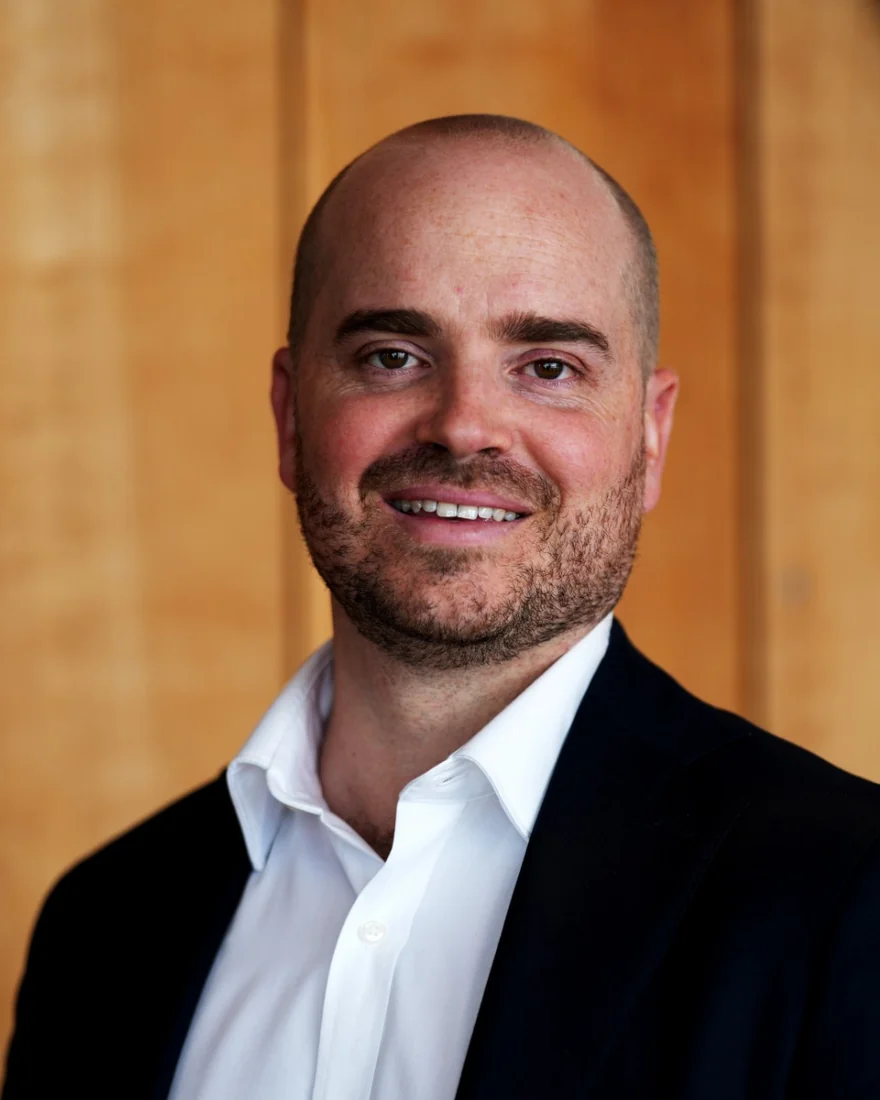
Alexander, Principal of Word and Deed
Alexander, Principal

Three promises

  1. Every story will be yours, told in your voice.Your writer keeps your phrases and your way of telling a story, so that the book sounds like you.
  2. You will not have to manage a thing.I look after the whole project, and if you have a question at any stage, you call me.
  3. Nothing is printed until you are happy with every page.You read every chapter as it is written, and the final word on all of it is yours.

The team

Our interviewers come from journalism and broadcasting. Our writers are former journalists and experienced book ghostwriters, and each is matched to the story they are best suited to tell. Every book also passes through the hands of an editor, a proofreader, a book designer and a hand binder.

The research behind it

  • Looking back is natural. In 1963 the psychiatrist Robert Butler described reminiscence in later life as a normal and healthy way of making sense of a long life.
  • Memories return with time. Photographs, places and time between conversations bring back more than a single sitting can.
  • How you ask matters. Open questions, with nothing put into the person's mouth, draw out more accurate detail.
  • Family stories matter to children. Researchers at Emory University found that children who know their family's story, including its hard times, tend to have higher self-esteem and a stronger sense of control over their lives.
  • Family memory has a limit. Unless someone writes it down, it lasts about a hundred years, or roughly three generations.

We describe this research to explain how we work. We make no health claims about our books.